Pressure washing can be risky if not done correctly . As experienced cleaners at DMC FM, we understand the importance of safety when tackling pressure washing tasks using power washers and cleaning solution. By learning the dos and don'ts from our experiences, you can ensure a...
Ready to transform your property?
Get a free, no-obligation quote tailored to your needs.
Why Pressure Washing Gone Wrong Is More Dangerous Than You Think
Pressure washing looks deceptively simple — point the lance, pull the trigger, watch the grime disappear. But at DMC FM we've spent years cleaning up the damage caused by pressure washing done badly. Whether it's a DIY enthusiast who hired a machine from the local tool hire, or an under-qualified contractor who undercut the market rate, the results can be expensive and sometimes irreversible. This guide walks through the most common risks, and what separates a professional result from a costly mistake.
1. Surface Damage — The Number One Risk
Using too much pressure on the wrong surface is by far the most common error. Different materials have very different tolerances:
- Soft brick and render — High-pressure jets can blast away the pointing between bricks, strip render, and even erode the surface of softer stone. Once mortar is gone, water ingress becomes a serious structural issue.
- Wooden decking and cladding — Too much pressure raises the grain, splinters the wood, and drives water deep into the fibres, accelerating rot rather than preventing it.
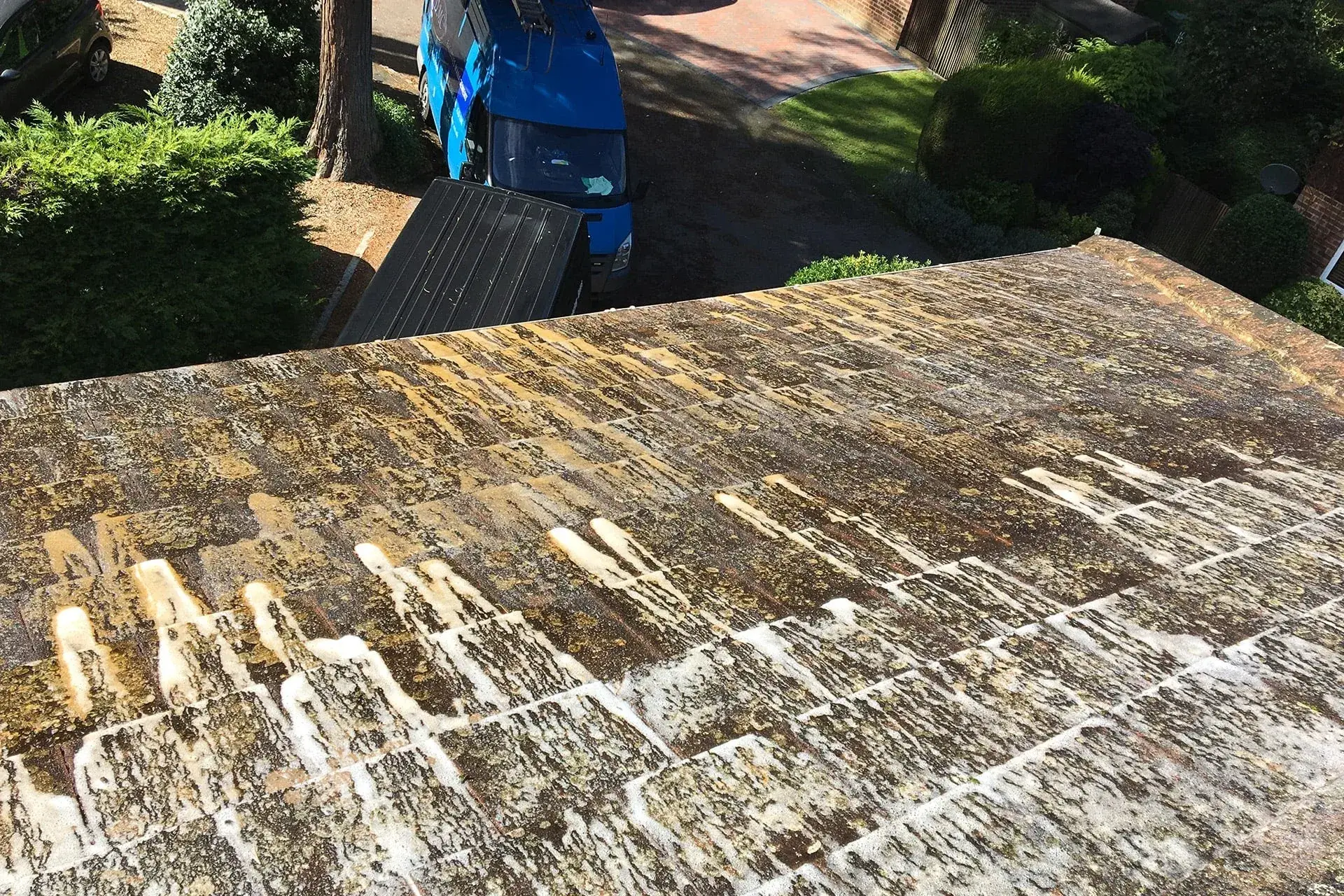
- Roof tiles — Granules on felt tiles are stripped away, dramatically shortening the life of the roof. Pressure washing a pitched roof is almost always the wrong choice.
- UPVC and painted surfaces — Pressure washing at close range can strip paint, crack UPVC, and force water behind cladding panels where it cannot escape.
The fix? Match the pressure to the substrate. Our operatives always assess the surface before selecting nozzle type and working pressure. In many cases, soft washing at low pressure with a specialist chemical mix is the right answer.
2. Slip and Trip Hazards During and After Cleaning
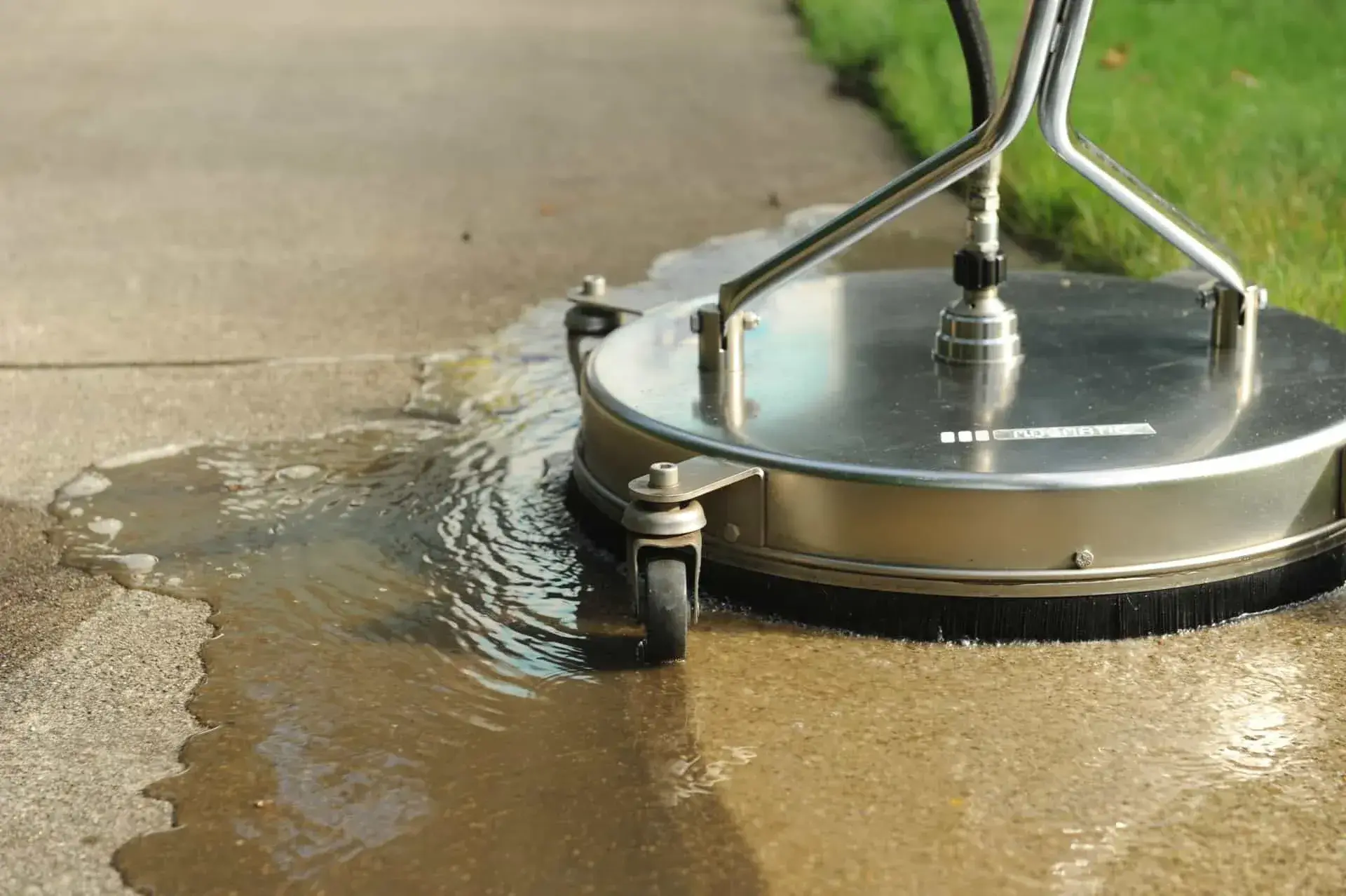
A wet, freshly pressure-washed surface is extremely slippery. Without proper barriers, signage, and management of runoff, you're creating a liability. This is especially true on public pavements, car parks, customer-facing entrances, steps and ramps where pooling water can freeze overnight, and industrial warehouse floors where forklift traffic continues during cleaning.
Professional contractors carry out a risk assessment before starting, use appropriate PPE, and erect barriers to keep members of the public safe.
3. Environmental and Drainage Issues
Pressure washing dislodges years of accumulated debris — oils, chemicals, algae, heavy metals from gutters, and general pollutants. All of that contaminated water has to go somewhere. In the UK, allowing contaminated washwater to enter surface water drains is an offence under the Environmental Permitting (England and Wales) Regulations 2016. A reputable contractor will use a trade effluent tanker to collect runoff where required, deploy water brooms to direct flow to the correct drain type, use biodegradable cleaning chemicals, and document compliance as part of their method statement.
4. Working at Height Dangers
Pressure washing from ladders is inherently dangerous. The reactive force from a pressure washer lance is substantial — enough to shift your footing on a ladder rung. Working at height regulations in the UK require that ladder use is a last resort, and that operatives are trained and competent. At DMC FM we use access platforms and cherry pickers for elevated cleaning work — giving our team a stable, compliant working platform.
5. Using the Wrong Chemicals
Pressure alone doesn't remove algae, lichen, mould, or biological growth permanently — it just blasts it off temporarily. Without a biocidal treatment, regrowth returns within weeks. However, using the wrong chemicals creates its own problems: bleach on brickwork can cause efflorescence and strip protective coatings; acid-based degreasers on painted surfaces strip paint and etch into the substrate; undiluted detergents near plants kill vegetation and contaminate soil.
We carry out a COSHH assessment for every job, selecting the correct chemical, dilution, and dwell time for the specific material and biological challenge.
6. Voiding Your Building Warranty or Insurance
Some commercial properties have specific requirements around how external surfaces should be cleaned — particularly those with specialist coatings, insulated render (EWI), or glazing systems. Using a non-approved contractor or the wrong method can void warranties and give your insurer grounds to dispute a claim. Always ensure your contractor has the relevant insurance, method statement, and where applicable, approval from the surface manufacturer.
When to Use Soft Washing Instead
For many surfaces, soft washing — using low pressure and specialist detergents — is the correct technique. It's particularly suited to render and k-rend finishes, roofing felt and tiles, timber cladding and fencing, and painted masonry. The results last significantly longer because the biological contamination is killed at root level rather than just removed from the surface.
Get It Right First Time
Pressure washing done badly can turn a routine maintenance job into a costly repair project. At DMC FM we have years of experience across commercial and industrial sites throughout the UK, with trained operatives, the right equipment, and full public liability and employers liability insurance. If you'd like a professional survey and quotation for pressure washing or soft washing services, get in touch with our team today.
Ready to get started?
Contact our team today for a free, no-obligation consultation.