Soft washing vs pressure washing, roofing, and substrate are popular methods. In the UK, the soft wash system and high-pressure techniques have been pivotal in maintaining the pristine appearance of buildings, roofs, and outdoor spaces. Both soft wash systems and high-pressure...
Ready to transform your property?
Get a free, no-obligation quote tailored to your needs.
Understanding the Difference Between Soft Washing and Pressure Washing
When it comes to exterior cleaning in the UK, the debate between soft washing and pressure washing is one we encounter on almost every commercial enquiry. Both methods achieve similar end results — a clean, presentable building exterior — but they work in fundamentally different ways and are suited to very different applications. At DMC FM, we use both techniques extensively, and knowing which is appropriate for a given surface is one of the most important decisions a professional cleaning contractor makes.
What Is Pressure Washing?
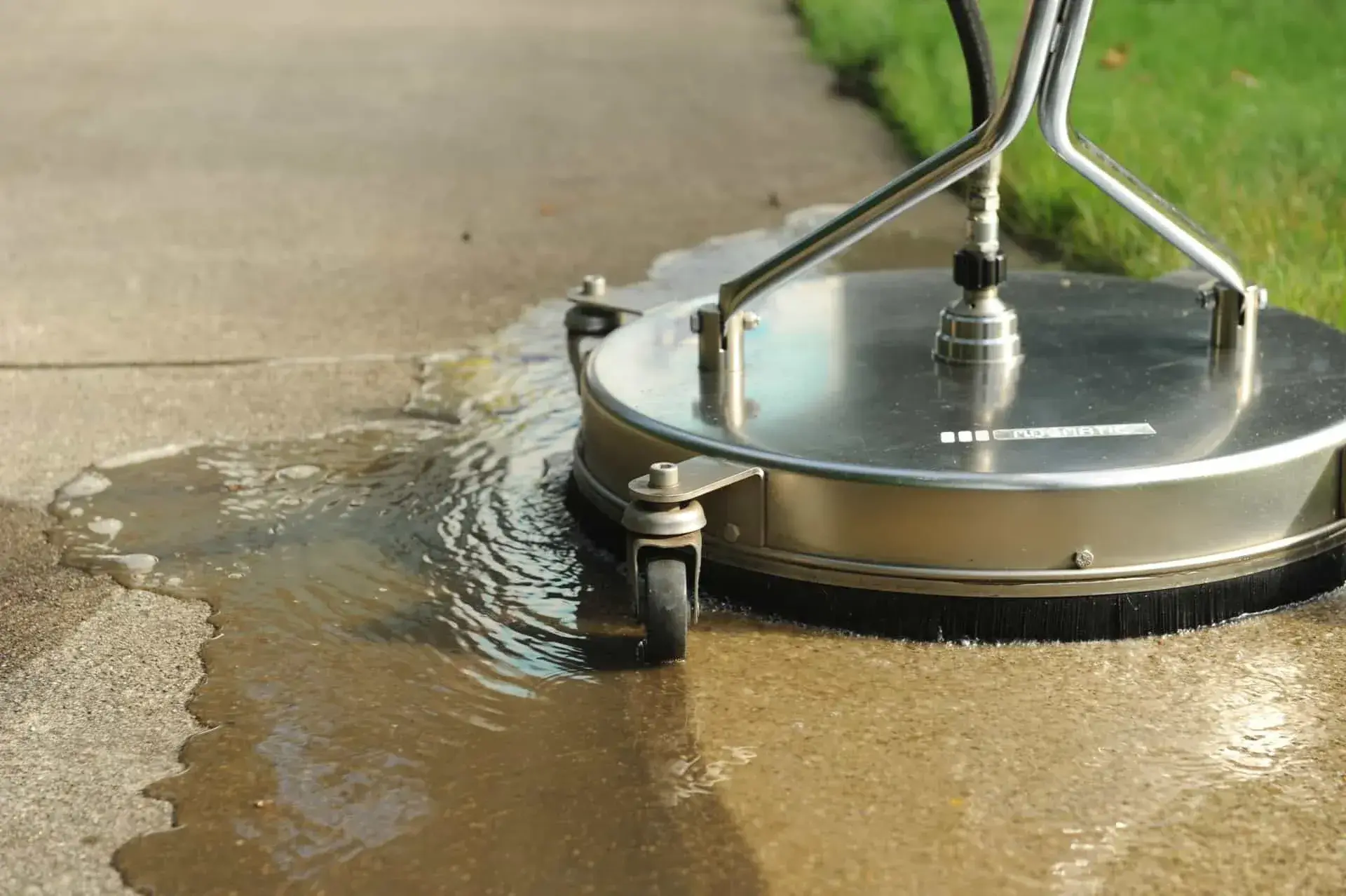
Pressure washing uses a high-pressure water jet — typically operating at between 1,500 and 4,000 PSI — to physically blast dirt, grime, moss, algae, and debris from a surface. The cleaning action is almost entirely mechanical: water moving at speed dislodges contaminants and washes them away.
This makes it highly effective on hard, durable surfaces that can withstand the force:
- Concrete driveways, car parks, and yard areas
- Brick patios and flagstone paths
- Industrial flooring and loading bays
- Heavy machinery and plant equipment
- Metal shutters and security grilles
The limitation is durability of results. Pressure washing removes visible contamination but doesn't kill the biological organisms causing it. Algae spores, lichen, and mould root systems survive and regrowth typically begins within a few weeks on exposed surfaces.
What Is Soft Washing?
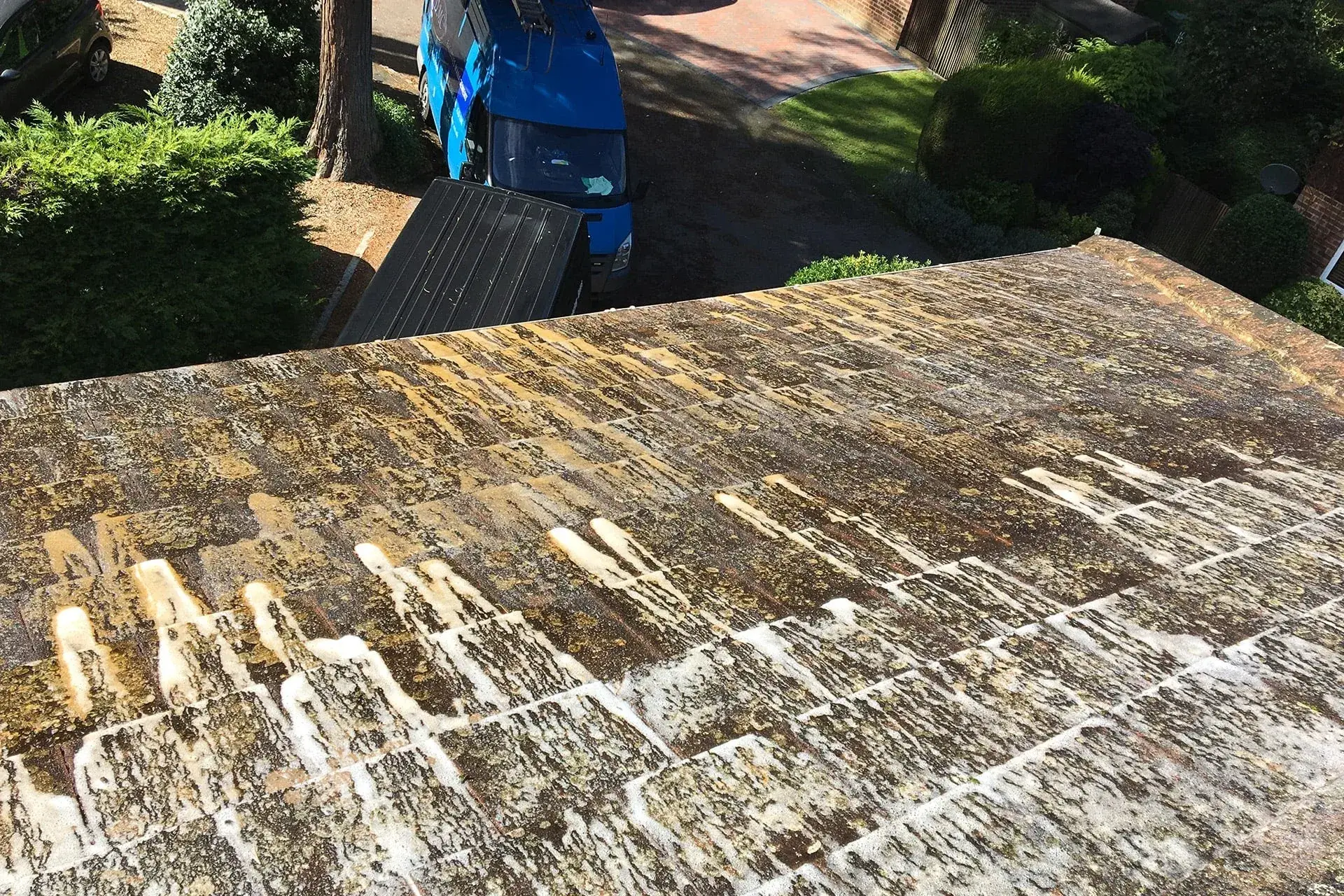
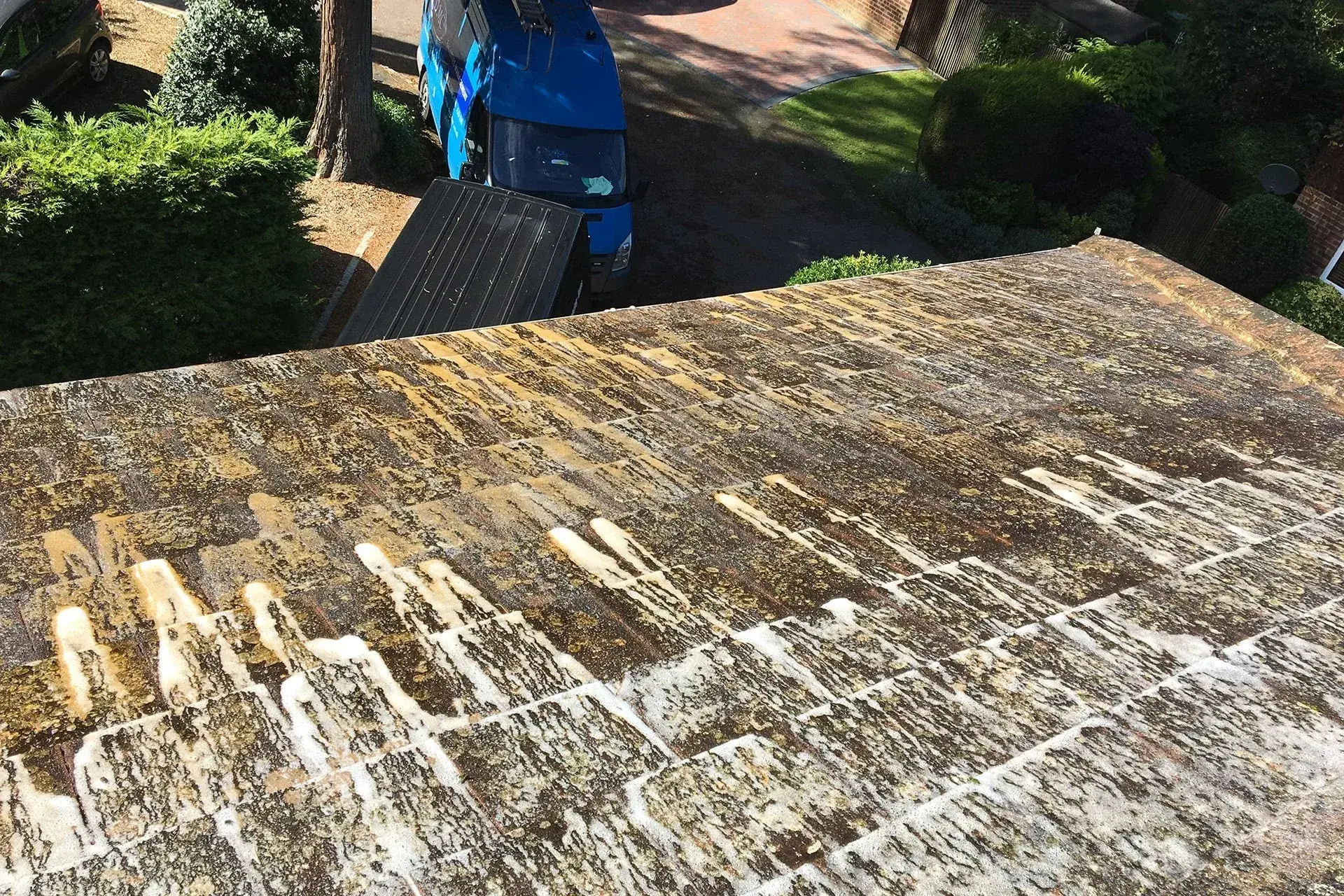
Soft washing is a low-pressure cleaning method — typically operating at 60–100 PSI, similar to a domestic garden hose — that relies on specialist biodegradable detergents to do the heavy lifting. The chemicals are applied, allowed to dwell on the surface for a set period, and then rinsed away at low pressure. Because the cleaning agents kill biological contamination at a root or cellular level, results typically last 3–5 times longer than pressure washing on the same surface.
Soft washing is the preferred method for surfaces that would be damaged by high pressure:
- Render, k-rend, and monocouche finishes
- Roof tiles, felt roofs, and pitched roof surfaces
- Timber cladding, fencing, and log cabins
- UPVC fascias, soffits, and guttering
- Painted masonry and decorative stone
- Conservatory roofs and polycarbonate panels
Which Method Is Right for Your Building?
The honest answer is that most commercial buildings need both, applied to the right areas. A typical commercial premises might need:
- Pressure washing — car park, loading bay, concrete paths, entrance steps
- Soft washing — rendered walls, roof areas, cladding, fascias
- Soft washing — any surface where pressure washing has previously caused damage
Getting this distinction wrong is where DIY pressure washing most often goes awry. The telltale signs of incorrect pressure washing on render include surface pitting, visible scoring marks, stripped surface texture, and accelerated biological regrowth within a few weeks of cleaning.
The UK Climate Factor
The UK's wet, mild climate is almost ideal for biological growth. North and west-facing elevations in particular accumulate algae and black mould rapidly, often within a single season. This makes the longevity advantage of soft washing particularly relevant for UK commercial properties — pressure washing alone simply cannot keep pace with regrowth rates in our climate.
For buildings in exposed coastal or rural locations, or those surrounded by trees, soft washing combined with a post-treatment biocidal surface protector can extend clean periods to 3–5 years.
Cost Comparison
Soft washing typically costs more per square metre than pressure washing due to the chemical cost and dwell time involved. However, when you factor in the extended period between cleaning cycles, the total cost of ownership over 5 years is usually lower. For rendered or tiled surfaces especially, the cost of repairing pressure wash damage can dwarf the cost of the original cleaning contract.
Our Approach at DMC FM
At DMC FM, every commercial cleaning enquiry begins with a proper site survey. We assess each surface individually, document our findings, and recommend the most appropriate method for each area of the building. We carry equipment for both commercial pressure washing and soft washing and k-rend cleaning and our operatives are trained in both disciplines.
If you'd like expert advice on the right cleaning approach for your commercial property, get in touch with our team for a no-obligation site survey and quotation.
Ready to get started?
Contact our team today for a free, no-obligation consultation.